The bathroom is one of the most-used rooms in any home — and also one of the most common places for accidents, particularly for young children and elderly family members. Wet floors, sharp edges, and hard-to-reach fixtures all add up to unnecessary risk. The good news is that most of these hazards can be reduced with a few thoughtful changes. Here’s where to start.
1. Address Sharp Furniture Edges
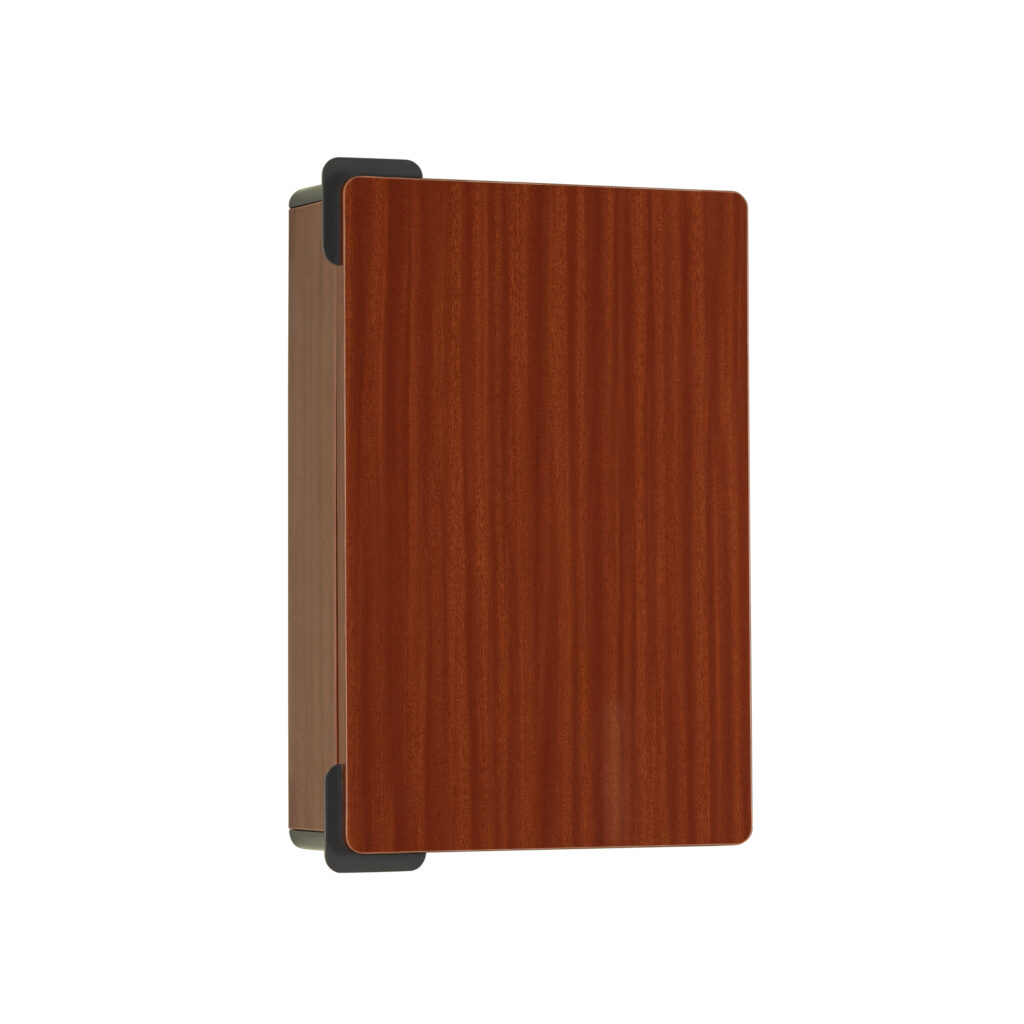
Standard cabinet and vanity corners are often sharp right angles — exactly at hip or head height for a small child, and a real fall hazard for anyone unsteady on their feet. Choosing furniture with rounded, smooth corners removes this risk entirely, without requiring any behavior change from the people using the room.
2. Reduce Slip Risk on Wet Floors
Bathroom floors are wet more often than any other room in the house. Non-slip mats near the shower and sink, combined with fixtures that don’t create additional water pooling, go a long way toward reducing slip-and-fall accidents — one of the most common bathroom injuries across all age groups.
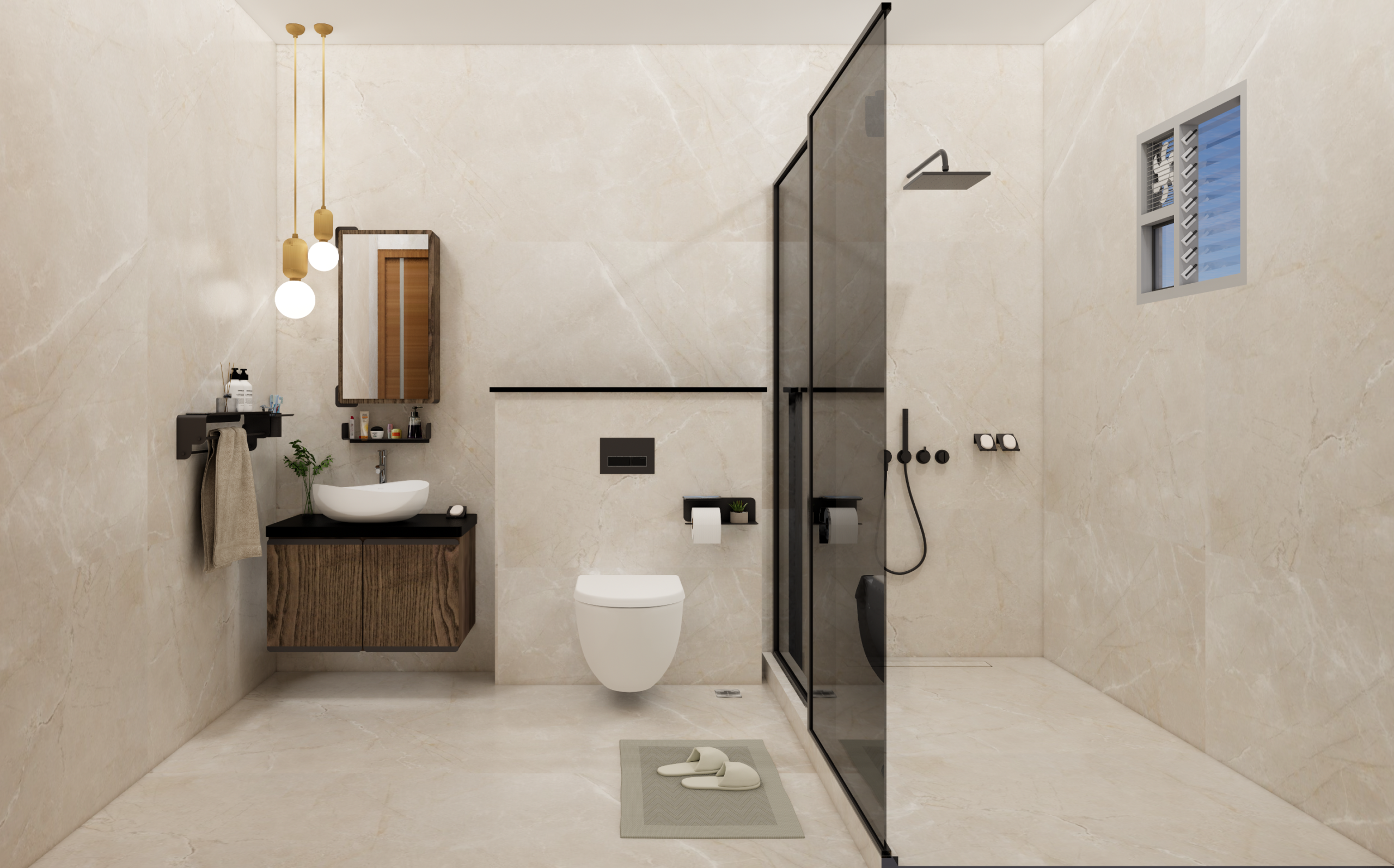
Suggested image: a bathroom floor with a non-slip mat near the shower area.
3. Keep Frequently Used Items Within Easy Reach
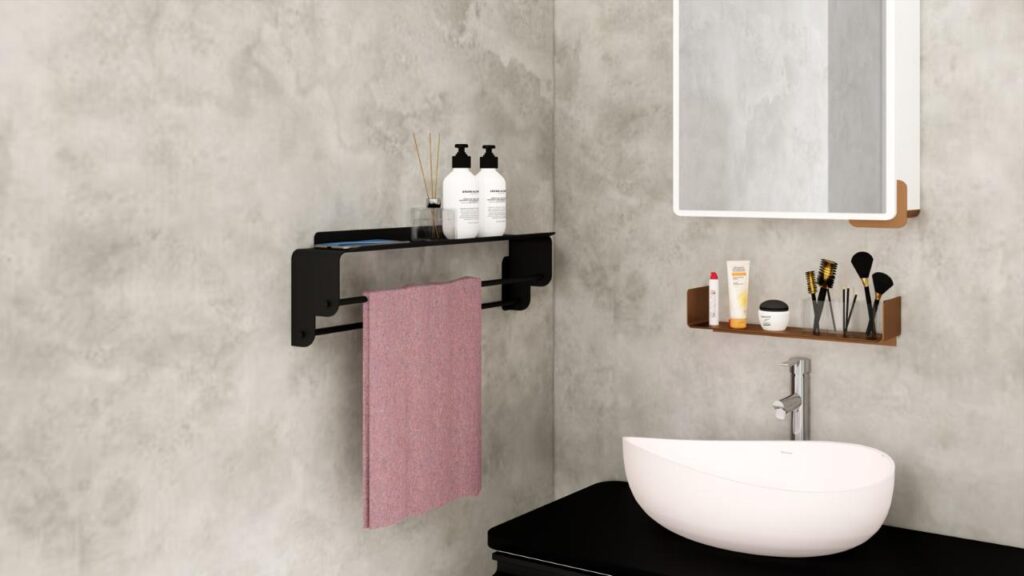
For elderly family members especially, reaching or bending for everyday items increases fall risk. Mounting shelves, holders, and organizers at a comfortable, accessible height means less stretching, less bending, and fewer opportunities for a loss of balance.
4. Choose Fixtures Without Exposed Hardware
Exposed screws and loose fittings aren’t just a maintenance headache — for young children, they can be a genuine hazard, from unscrewing hardware to catching on loose fixtures. Furniture designed without exposed screws or fasteners removes that risk while also holding up better over time.
5. Secure Wall-Mounted Fixtures Properly
Any wall-mounted shelf, cabinet, or mirror should be installed securely, with weight limits respected. A fixture that isn’t properly anchored is a tipping or falling hazard, especially if a child pulls on it or an elderly person leans on it for support.
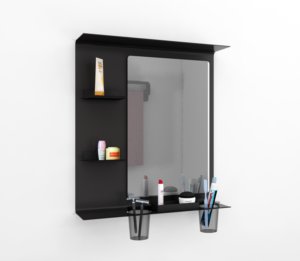
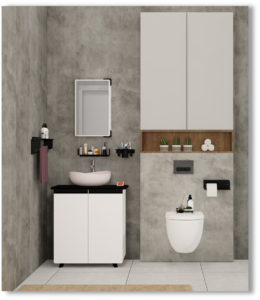
Suggested image: a securely wall-mounted cabinet or shelf, installed flush against the wall.
6. Add Grab Bars Where Needed
For elderly family members, a grab bar near the shower, tub, or toilet provides crucial extra support and significantly reduces fall risk. It’s a small addition that can make daily bathroom use noticeably safer and more comfortable.
7. Improve Lighting
Poor lighting makes it harder to judge distances, spot wet patches, or navigate safely — particularly at night. Bright, even lighting around the sink, shower, and floor area is a simple, low-cost way to reduce accidents.
Final Thoughts
Most bathroom accidents come down to a handful of preventable factors: sharp edges, wet floors, hard-to-reach items, and poor lighting. Addressing even a few of these — starting with furniture and fixtures that are designed with safety in mind — can make a meaningful difference for the most vulnerable members of your household.